
Written by By Francesca Vogel, Senior Care Expert at Hillendale Home Care
Animal-assisted therapy is more than a feel-good experience; it’s a meaningful, evidence-based approach to improving the well-being of older adults. For seniors navigating the physical, emotional, and social challenges of aging, interaction with therapy animals can bring comfort, connection, and even measurable health benefits. As someone who has spent decades working with older adults in the East Bay, and as a lifelong animal lover, I’ve seen the profound impact that animals can have in care settings. Whether through a gentle nuzzle, a wagging tail, or simply quiet companionship, therapy animals offer unique support that complements more traditional care approaches.
Physical Health Benefits Of Animal Therapy
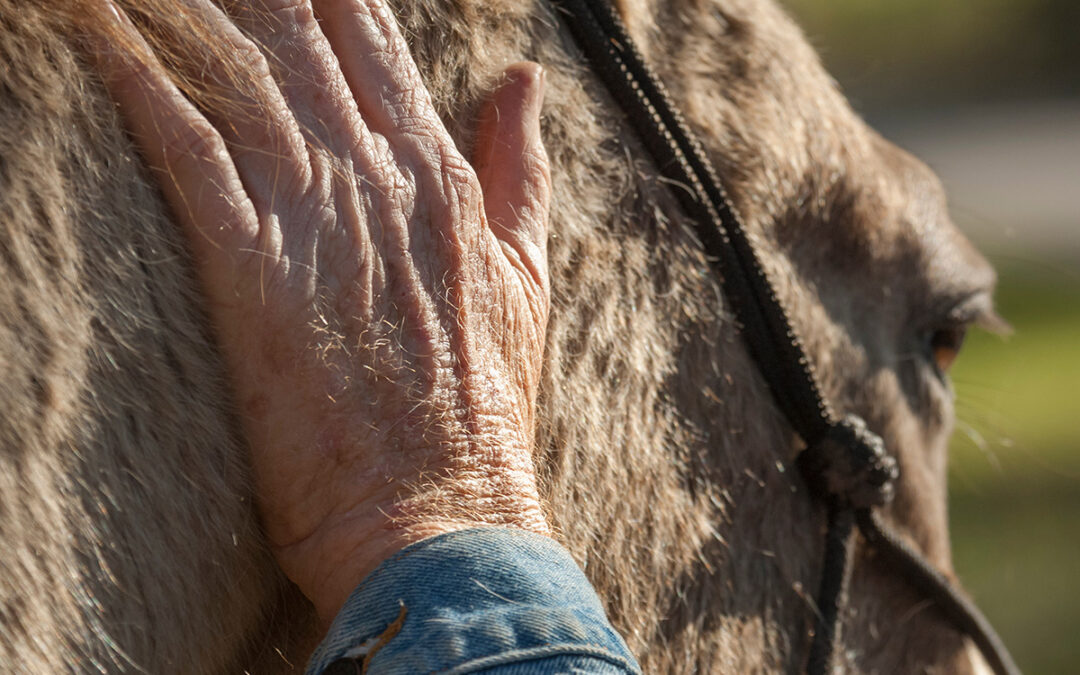
Research shows that engaging with therapy animals can result in physical improvements such as lower blood pressure, reduced heart rate, and decreased stress hormones like cortisol. These physiological responses help the body relax, recover, and build resilience. But the benefits don’t stop there. Animals often inspire gentle physical activity, encouraging older adults to stretch, walk, or participate in light play. For individuals recovering from surgery, managing chronic pain, or living with arthritis, these small movements are often key to maintaining function and preventing decline. In my own work, I’ve seen seniors who were hesitant to move become more active simply by following a friendly dog or brushing a gentle mini horse. These moments of engagement can lead to improved mobility, increased energy, and even renewed confidence.
Emotional and Mental Health Support
Aging often brings emotional challenges, including grief, loneliness, anxiety, and depression. Therapy animals help address these feelings by offering unconditional presence and emotional safety. Their nonjudgmental nature allows seniors to simply be themselves—no pressure, no expectations. Scientific studies show that interaction with animals boosts levels of oxytocin, the hormone associated with bonding and well-being, while reducing cortisol and other markers of stress. This hormonal shift can lead to improved mood, reduced anxiety, and enhanced emotional regulation. For individuals living with cognitive impairments such as dementia or Alzheimer’s, animals can also be grounding. I’ve witnessed firsthand how the calm, predictable presence of an animal can bring clarity, reduce agitation, and provide a much-needed sense of familiarity and comfort.
Social Connection and Engagement
One of the lesser-known benefits of therapy animals is their ability to foster social interaction. Whether visiting a senior living community or a small care home, animals
naturally draw people in and serve as catalysts for conversation. For those who find it difficult to initiate social contact, the presence of an animal can make these interactions feel more natural and less intimidating. Group animal therapy sessions often lead to shared laughter, storytelling, and genuine connection, reminding participants that they are part of a community. In my outreach across the East Bay, I’ve seen seniors form friendships and rekindle connections simply by bonding over a shared love for animals. In this way, animal therapy doesn’t just support individuals, it strengthens entire communities.
Moments of Joy and Meaning
At the heart of it all, therapy animals bring joy. The simple acts of petting a dog, hearing the soft whinny of a pony, or watching a bird flutter can lift spirits in ways that are hard to quantify but deeply felt. These moments of lightness and laughter provide emotional nourishment, giving older adults something to look forward to. For many, therapy animal visits become a highlight of the week. They offer routine, purpose, and something to smile about. These experiences affirm a person’s value and remind them that they are still deeply connected to the world around them.
A Complement to Traditional Senior Care
Animal-assisted therapy is not a replacement for medical or clinical care, but it can be a powerful complement. It helps bridge the emotional and relational gaps that can form in later life, and brings warmth, trust, and spontaneity into environments that sometimes feel sterile or stressful. If you support, care for, or live alongside older adults, I encourage you to consider how animal therapy could be integrated into your approach. The bond between humans and animals is ancient, profound, and, as I’ve seen time and again, deeply healing.
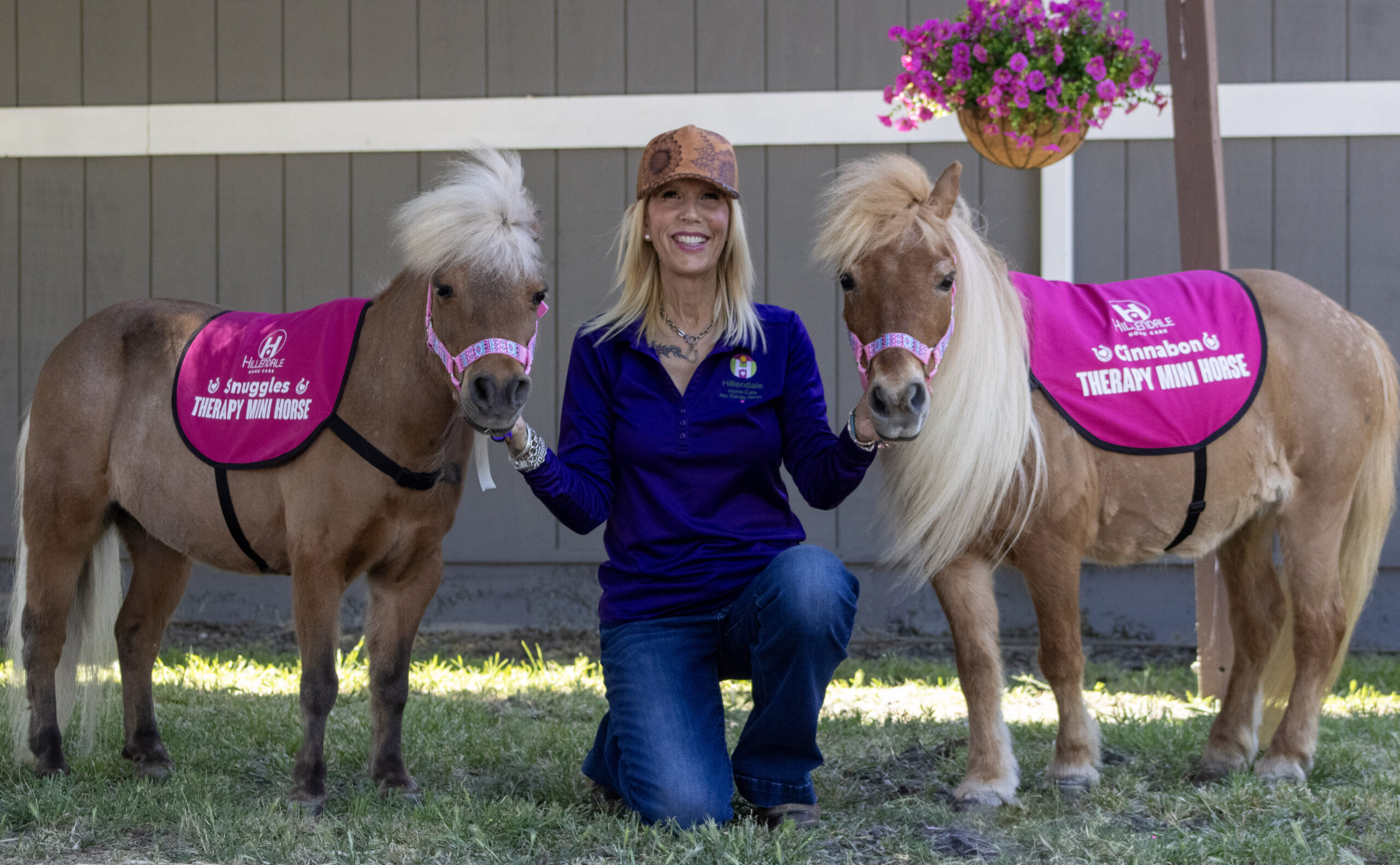
Francesca and the team at Hillendale Home Care employ animal therapy and other creative ways to keep our clients engaged and happy as a part of our services. Learn more at HillendaleHomeCare.com.