
Written by By Tim Stevens, Director Business Development at Home Safety Services
California Department of Health Care Services (DHCS) recently issued its report on the effectiveness of various Community Supports provided via CalAIM. Environmental Accessibility Adaptations (EAA), traditionally referred to as “home modifications” are proving effective at diverting nursing home admissions and empowering Medi-Cal members to live safely and independently in their homes. Analysis of Q4 2023–Q3 2024 data demonstrate substantial reductions in high-cost healthcare utilization. Continued funding of this benefit is essential to sustain cost-savings, improve member well-being, and advance health equity.
EAA Service Overview
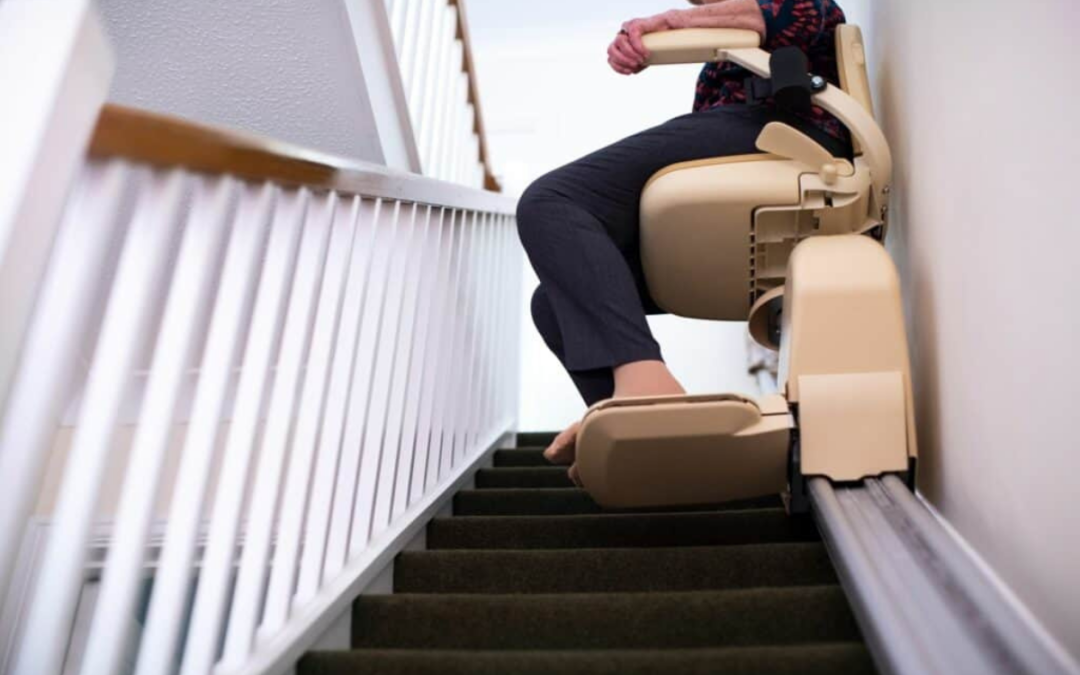
Environmental Accessibility Adaptations include: grab bars, ramps, doorway widening, accessible bathroom conversions, stair lifts, wheelchair ramps and stair railings. These person-centered interventions remove environmental barriers, prevent falls, and support aging-in-place for individuals with disabilities or chronic conditions.
Utilization & Reach
Although adoption of and traction for the benefit is inconsistent, the collective number of members served is significant.
- 1,520 unique Medi-Cal members served (Q4 2023 – Q3 2024)
- 433 active provider contracts statewide
- Quarter-over-quarter growth: 431 members in Q1 2024 → 873 in Q3 2024
This sustained uptake highlights increasing recognition of home modifications as a core healthcare intervention.
Clinical Impact
This member cohort experienced:
- 43.2% decrease in inpatient admissions
- 45.6% reduction in emergency department visits
- 21.9% decline in long-term care service utilization
By mitigating fall risk and functional decline, EAA services translate social support into measurable health outcomes and meaningful cost reduction and ROI.
Provider Perspective
“As EAA specialists, we see daily how simple modifications cost-effectively restore independence and dignity while diverting nursing home admissions. We not only endorse continued funding but also increasing community awareness of the benefit and simplifying the member referral process, so as to maximize both utilization and healthcare cost savings.” David Regan – Operations Manager, Home Safety Services, Inc.
Policy Recommendations
1. Sustain & Expand Funding
Continue EAA funding under the 1915(b) waiver and explore eligibility enhancements for homebound and medically complex members.
2. Standardize Service Definitions
Adopt DHCS’s Spring 2025 EAA guidelines to ensure consistent quality and streamline referrals.
3. Increase Provider Capacity
Offer targeted technical assistance, particularly in rural regions, to grow the EAA network.
4. Integrate Data Reporting
Leverage real-time dashboards for ongoing monitoring of utilization, outcomes, and cost metrics.
Conclusion
Environmental Accessibility Adaptations exemplify a high-value, person-centered approach within California’s Community Supports framework. Continued investment will sustain these gains and unlock further opportunities to support California’s most vulnerable residents.
Founded by Martin Simenc in 1997 with a mission to increase the quality of life for seniors and enhance their ability to live at home as independently as possible, Home Safety Services, Inc. has since helped over 30,000 clients throughout Northern California.